

How to Prevent Roof Leaks When Installing Solar

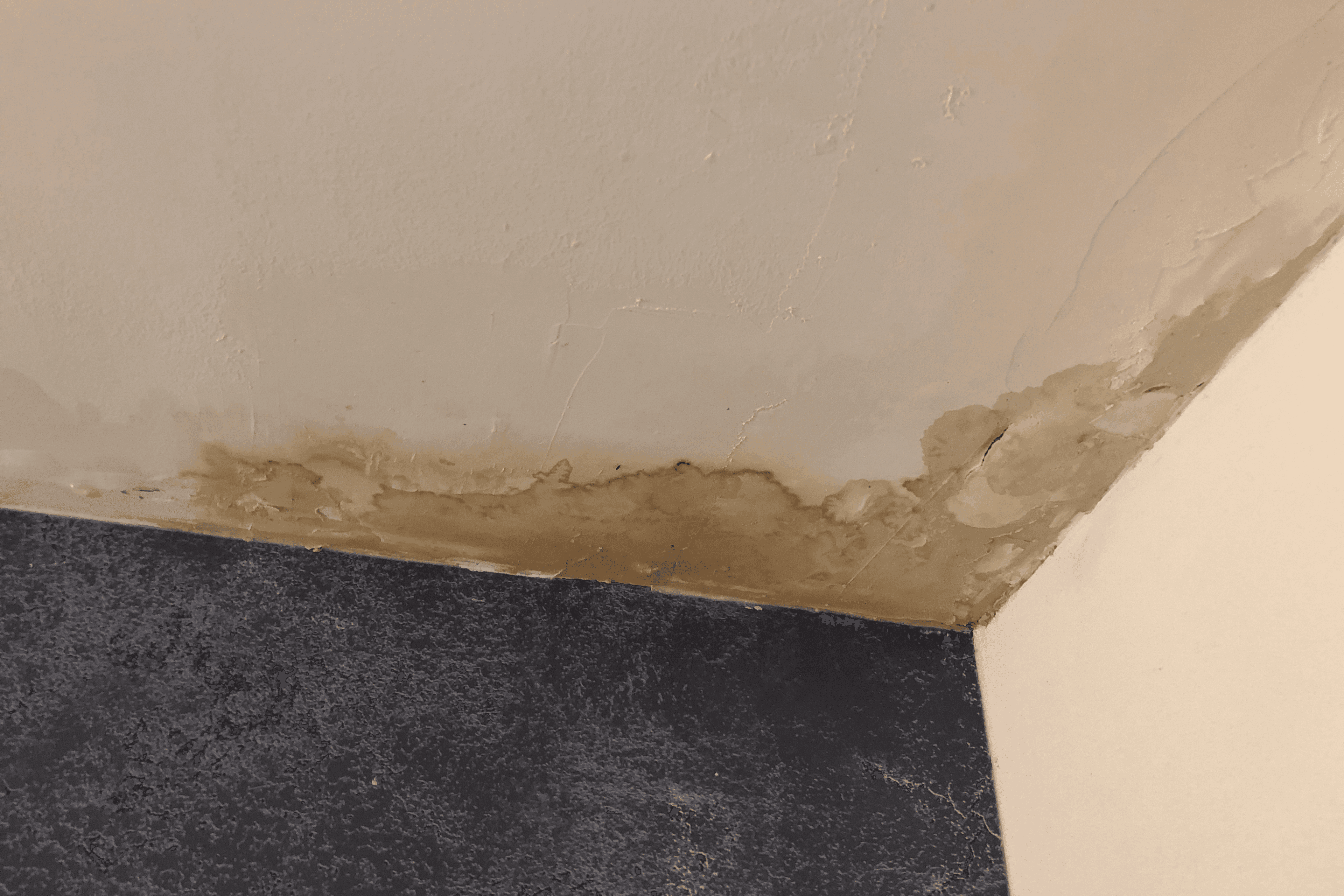
One of the most common reasons homeowners hesitate to install solar is the fear of roof leaks. It’s a reasonable concern: most solar installations require drilling penetrations directly into your roof to secure the racking. However, with modern engineering, high-quality equipment, and strict installation best practices, roof leaks are entirely preventable. Today's advanced solar racking technologies create watertight, permanent seals that protect your home from water damage while maximizing clean energy production.
Three Approved Waterproofing Technologies in Solar Racking
A secure roof attachment is achieved through a combination of mechanical and chemical barriers. Here are the three primary waterproofing methods used by industry leaders like SnapNrack to ensure a leak-proof installation:
-
Traditional Metal Flashing (Mechanical Shielding) For composition shingle roofs, traditional metal flashing remains a reliable standard. Modern solutions like SnapNrack's Umbrella Seal™ Technology elevate this concept. This technology utilizes a raising cone and an umbrella washer paired with a single lag screw. Together, they create a multi-layer waterproof barrier that prevents water from ever reaching the penetration point, providing absolute peace of mind without requiring installers to pry apart shingle bonds or pull existing roof nails. Although waterproofing tests for the Umbrella L Foot did not require sealant, installation guidelines recommend adding sealant into and around the pilot hole for an extra layer of protection.
-
Lag-Driven Liquid Sealant (SpeedSeal™ Technology) For speed and shingle preservation, lag-driven chemical barriers offer a seamless alternative to metal flashing. SnapNrack’s SpeedSeal™ Technology features a custom cavity in the mount with a compressible barrier. When the lag screw is driven into the pilot hole, the sealant is squeezed and distributed evenly, completely filling all voids and securing a watertight barrier. This method keeps liquid sealant cleanly locked in place, protecting the shingles and decking from moisture.
-
The Butyl Compression Breakthrough (SpeedSeal™+ Technology) The most modern, streamlined method for preventing roof leaks is compression-based butyl chemical flashing. Used in SnapNrack's SpeedSeal™+ Technology, this process features a thick, pre-installed 0.2-inch (1/4") butyl pad underneath the mount. When installers drive the mounting wood screws, the resulting compression pulls the butyl material directly into the penetration hole, creating an instant, permanent watertight seal. This peel-and-stick breakthrough eliminates messy sealant tubes and ensures uniform waterproofing across every single mount.
The Era of Deck Mounting and the Ultra Foot Anchor Solution
Solar installation has entered the era of deck mounting as installers increasingly choose this method to avoid the time-consuming process of searching for rafters. Historically, chasing rafters led to 'rafter misses'—the #1 cause of roof leaks resulting from exploratory drilling or missed pilot holes. Installing directly to the roof deck completely eliminates the need for pilot holes, thereby preventing rafter misses altogether. However, there is a traditional trade-off: deck attachments typically require 4-6 screws per mount, resulting in a higher total number of roof penetrations. To overcome this limitation, installers can opt for a more effective attachment like the UltraFoot, Anchor. This innovative anchor requires only two screws when installed to the deck and comes pre-assembled with SpeedSeal™+ technology. Despite using fewer fasteners, it still delivers a 600% better torque-out value compared to traditional deck attachments, offering an efficient and watertight installation.
Conclusion: Partner with Modern Racking Technology
A solar energy system should protect your roof, not compromise it. Solar power systems often incorporate components from multiple manufacturers—such as racking, solar panels, and inverters—each covered by its own distinct warranty. Homeowners should be aware of these individual manufacturer warranties or verify whether their installer assumes responsibility for managing warranty claims across all components. By partnering with trusted installers and utilizing modern racking solutions with built-in waterproofing, homeowners can ensure a secure, watertight installation engineered to last. When planning your solar transition, be sure to ask about the racking and sealing technologies being used—because the foundation of your solar system is what keeps your home safe, dry, and powered for decades to come.
Dakota Dominguez
Sr. Marketing Manager